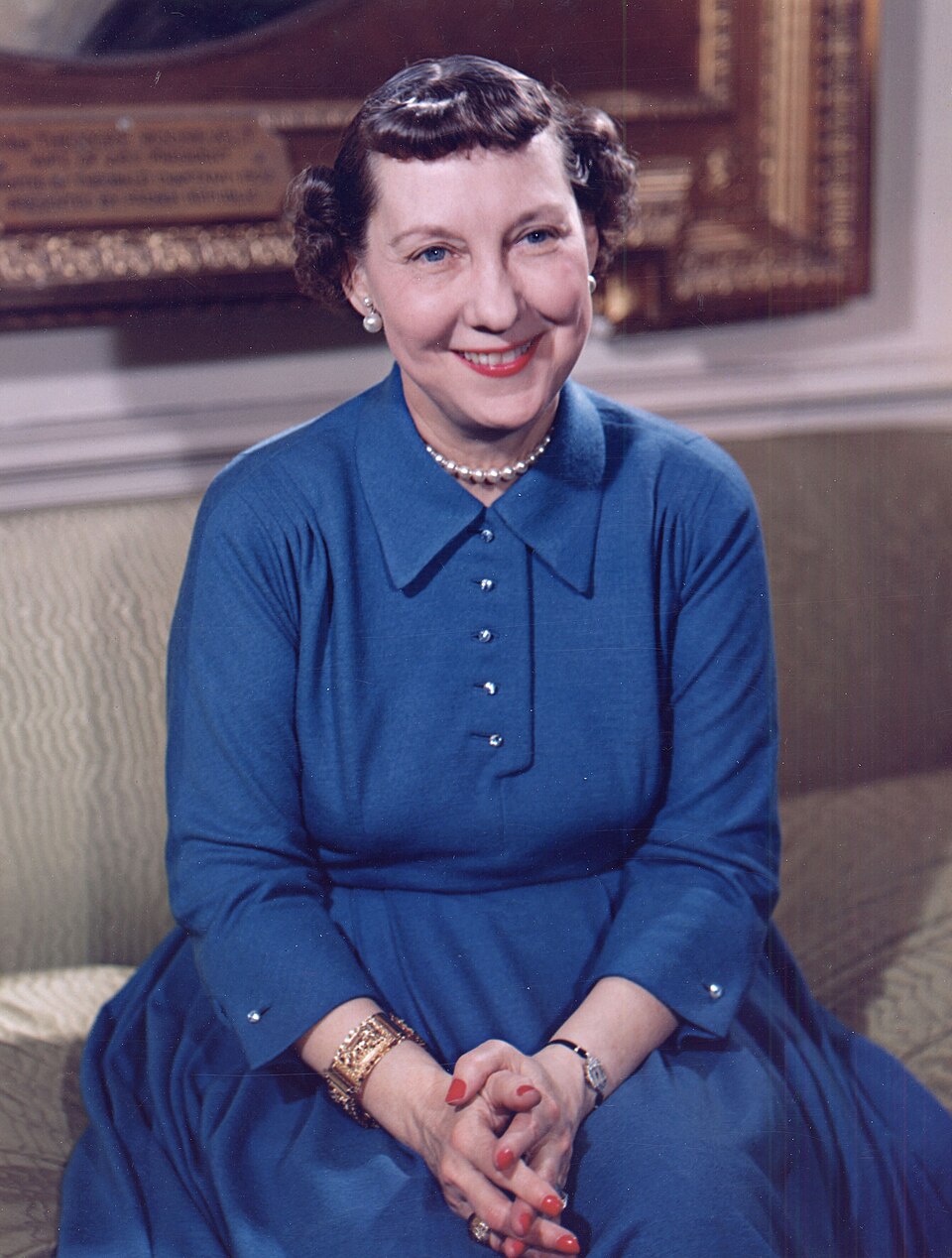
Unveiling the 1950s First Lady: It's Not Who You Think (Unless You Already Knew!)
When you ponder the question, "Who was the 1950s First Lady?" your mind might jump to various prominent figures of the era. Perhaps you recall images of glamorous Hollywood stars, or perhaps a different presidential spouse comes to mind. However, for those seeking the precise answer to who graced the White House as First Lady during the bulk of the 1950s, the spotlight shines brightly on one remarkable woman: Mamie Doud Eisenhower. Serving alongside her husband, President Dwight D. Eisenhower, from 1953 to 1961, Mamie embodied the spirit and expectations of a post-war America, leaving an indelible mark on the role and the nation's collective memory.
Often, historical questions like these can be a little tricky. Our collective memory can sometimes blur timelines, or we might associate a First Lady with a specific decade based on her general fame rather than her exact tenure. That's why diving into the details and setting the record straight is essential for a clear understanding of American history.
Mamie Eisenhower: A Snapshot of the Post-War White House
Born Mamie Geneva Doud in Boone, Iowa, in 1896, Mamie's path to the White House was anything but ordinary. She married Dwight D. Eisenhower, then a young army lieutenant, in 1916. For the next 37 years, she lived the itinerant life of a military wife, moving countless times and raising their two sons (one of whom tragically died young). This unique upbringing, far removed from political circles, cultivated a resilient and adaptable woman who would eventually find herself at the epicenter of American power.
Upon entering the White House in 1953, Mamie Eisenhower faced a unique set of challenges and opportunities. The United States was emerging from the Korean War, navigating the early years of the Cold War, and experiencing unprecedented economic growth and social change. Mamie, with her warm demeanor and impeccable sense of style, quickly became a beloved public figure. She was known for her signature bangs, her cheerful disposition, and a particular affinity for the color pink, which became affectionately known as "Mamie Pink." Her fashion sense, though often understated compared to later First Ladies, was widely admired and emulated by women across the country.
As First Lady, Mamie embraced her role as the nation's chief hostess with gusto. The Eisenhower White House became a hub of social activity, welcoming foreign dignitaries, celebrities, and ordinary citizens. Mamie personally oversaw many of the details, from menu planning to floral arrangements, ensuring that every event was executed with warmth and grace. She was particularly attentive to the comfort of her guests, always striving to make the White House feel like a welcoming home rather than a cold, formal institution.
Beyond her social duties, Mamie played a crucial, albeit traditional for her era, role in supporting her husband. She was his confidante and a steady presence, offering emotional support and a sense of normalcy amidst the immense pressures of the presidency. While she did not engage in policy-making or champion specific legislation in the way many modern First Ladies do, her influence was felt through her strong sense of patriotism, her dedication to American values, and her compassionate outreach to various groups, including military families and veterans.
Beyond the Image: Mamie's Enduring Legacy
Mamie's tenure also saw significant changes within the executive mansion itself. Having been neglected for many years, the White House was in need of extensive renovations. Mamie took on the challenge of restoring and redecorating the residence, making it more comfortable and functional for both the First Family and official functions. Her efforts brought a fresh, modern aesthetic to the historic building, while still respecting its heritage. She oversaw the installation of new kitchen facilities, the redecoration of several state rooms, and ensured that the private living quarters were made truly livable after decades of wear.
Despite often being underestimated or stereotyped as merely a socialite, Mamie Eisenhower's legacy is significant. She masterfully navigated the expectations of her time, presenting an image of stable domesticity and dignified grace that resonated deeply with the American public during a period of seeking comfort and normalcy. She proved that the role of First Lady, even when primarily focused on hospitality and support, could be a powerful force for unity and national pride. Her resilience, developed through years of military life, allowed her to face public scrutiny and personal challenges, including health issues like Meniere's disease, with quiet strength and unwavering dedication.
The Crossword Conundrum: Why "Mamie" is the Key
It's fascinating how specific historical questions, like who was the 1950s First Lady, often pop up in unexpected places—like crossword puzzles! If you've ever tackled a clue like "First lady of the 1950s," chances are the answer you were looking for was MAMIE. This five-letter solution is a popular and frequently recurring answer in various puzzles, including the LA Times Crossword and Newsday Crossword.
The prevalence of "MAMIE" in crosswords serves as a testament to her recognizable place in American history, even if some details of her life might fade for the general public over time. The concise nature of her first name makes it ideal for these word challenges. While some crossword clues might suggest longer, eight-letter answers for similar questions, "MAMIE" remains the most straightforward and commonly accepted response for the "1950s First Lady" specifically. These discrepancies are often due to different puzzle constructors or varying specific criteria for a clue, which can sometimes lead to unraveling conflicting clues.
For a deeper dive into how Mamie Eisenhower became the go-to answer for these linguistic challenges, explore our related article: Mamie: The 1950s First Lady Answered in Crosswords. It illustrates just how ingrained her identity is with that particular decade.
Debunking Common Misconceptions: Why Nancy Reagan Isn't the Answer
It's not uncommon for people to mistakenly associate other prominent First Ladies with the 1950s. One frequent misconception involves Nancy Reagan. While Nancy Reagan was undoubtedly a highly influential and visible First Lady, her tenure was much later, from 1981 to 1989, alongside President Ronald Reagan. This places her firmly in the 1980s, a completely different era of American history marked by distinct cultural, political, and social landscapes. Understanding these precise historical timelines is crucial for accurate historical context and appreciation.
The Role of the First Lady in the 1950s: Expectations and Evolution
The 1950s represented a unique period in American society, often characterized by a strong emphasis on traditional gender roles and domesticity. For the First Lady, this translated into a set of expectations that were quite different from those placed on her modern counterparts. The primary role of the First Lady during this era was largely ceremonial and supportive:
- Chief Hostess: As mentioned, she was expected to manage the social calendar of the White House, host dignitaries, and represent the nation with grace at various functions.
- Domestic Figurehead: The First Lady often served as an idealized symbol of American womanhood, embodying qualities of warmth, family values, and civic engagement within a domestic sphere.
- Presidential Supporter: Her role included providing unwavering personal and emotional support to the President, often behind the scenes, allowing him to focus on the immense responsibilities of his office.
- Limited Policy Involvement: Unlike many modern First Ladies who champion specific causes or actively participate in policy discussions, the 1950s First Lady typically avoided overt political involvement, focusing instead on non-controversial charitable or social initiatives.
Mamie Eisenhower navigated these expectations with aplomb, excelling in every aspect of her traditional role. Her genuine warmth and ease in social settings made her a natural fit for the demands of the White House. While some might view these expectations as restrictive, Mamie found ways to make the role her own, adding personal touches to the White House and connecting with the American people on a personal level that transcended formal politics. Her approach laid a foundation for future First Ladies, demonstrating the power of personal charm and dignified presence in shaping public opinion and national identity.
Conclusion
The question "Who was the 1950s First Lady?" leads us directly to the captivating figure of Mamie Doud Eisenhower. Her eight years in the White House, from 1953 to 1961, were a period of significant change for the nation, and Mamie served as a comforting and consistent presence. From her distinctive style and gracious entertaining to her steadfast support for President Eisenhower and her dedication to the White House itself, Mamie left a legacy that perfectly encapsulates the spirit of her decade. She reminds us that understanding history requires precision, and that the impact of a First Lady, even when primarily focused on traditional roles, can be profound and enduring.